
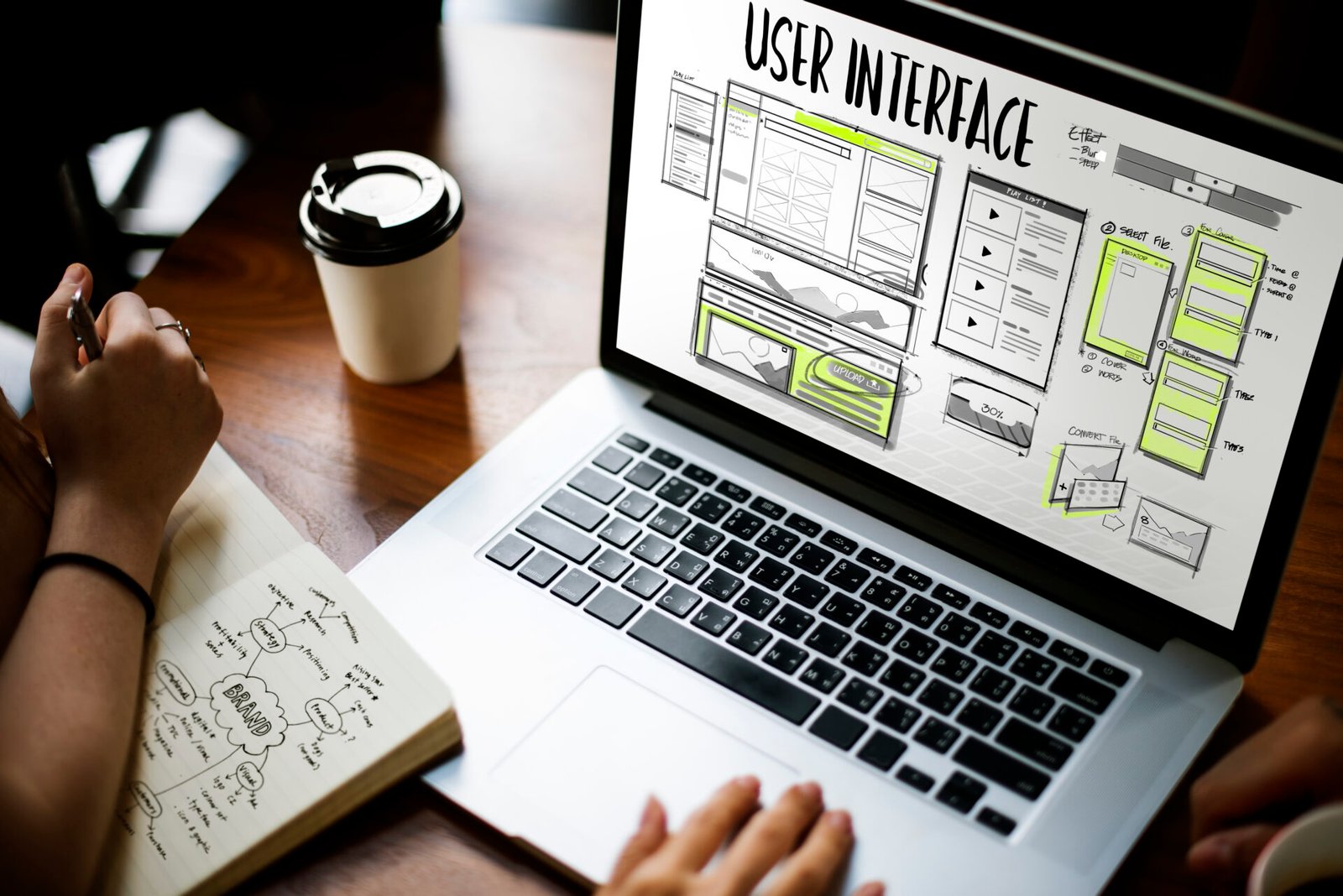
Imagine entering a store where the layout is confusing, the lighting is poor, and the decor feels outdated. Chances are, you’d walk right back out. This scenario underscores the importance of web design in digital marketing, as your website serves as your brand’s digital storefront. Its design can distinguish between capturing a customer’s attention or losing them instantly.
Beyond aesthetics, web design is about crafting an intuitive, engaging experience that guides users seamlessly through your digital space and requires continuous development. As we discuss the pivotal role of web design in digital marketing, prepare to see how your website can transform from a mere online presence into a powerful marketing tool that drives engagement and GROWTH!
First Impressions: Your Digital Handshake
Capturing Attention with Visual Appeal
In digital interactions, your website serves as the first introduction to your brand. A well-designed website acts as a digital handshake, creating a positive first impression and encouraging further engagement.
According to a study by Adobe, 38% of users will stop interacting with a website if its layout is unattractive. This indicates the critical role of compelling and captivating web design in capturing visitors’ attention.
User Experience: The Core of Engagement

Designing for Seamless Navigation
User experience (UX) is a cornerstone of today’s effective web design, particularly impacting digital marketing success. A seamless, intuitive UX can increase visitor retention and drive more conversions over time.
Research by Forrester indicates that a well-designed user interface can improve a website’s conversion rate by up to 200%, while enhanced UX design can boost conversion rates by up to 400%. Isn’t it convincing enough to understand the importance of web design in digital marketing?
The Necessity of Mobile Optimization
With over half of global web traffic originating from mobile devices, mobile optimization has become indispensable. A responsive web design ensures consistent functionality across all devices, enhancing user satisfaction and search engine visibility. Google’s algorithm favors mobile-friendly sites, making mobile optimization crucial for engagement and ranking.
Branding: Crafting a Consistent Digital Identity
Establishing Brand Recognition Through Design
Web design is a potent tool for building and maintaining brand identity. Every design element, from color schemes to typography, should reflect your brand’s values and message. Consistent branding via web design reinforces brand recognition and credibility. Lucidpress reports that consistent brand presentation can increase revenue by up to 23%, emphasizing the value of cohesive web design in brand strategy.
Engaging Audiences with Visual Storytelling
Integrating visual storytelling into web design can significantly enhance user engagement. High-quality images, videos, and infographics not only captivate but also convey complex messages succinctly. A study by Social Media Marketing Examiner found that 32% of marketers consider visual images the most essential content form for their business. Compelling visual storytelling can powerfully communicate your brand’s story and values.
SEO: The Backbone of Online Visibility
Enhancing SEO Through Effective Web Design
Search engine optimization (SEO) is integral to digital marketing, and web design is vital to success. A well-structured, fast-loading website with straightforward navigation improves user experience and search engine rankings. Research by Backlinko shows that sites on Google’s first-page load within three seconds, underscoring the importance of speed in visibility.
Structuring Content for SEO Success
The organization of content on your website significantly impacts SEO performance. Headers, bullet points, and concise paragraphs enhance readability and help search engines understand your content’s structure and relevance. Incorporating keywords naturally into design elements like titles and meta descriptions can boost search rankings and drive organic traffic.
Real-World Success Stories: Web Design in Action
Apple and Zara: Mastering Web Design
Many brands have successfully leveraged web design to enhance their digital marketing efforts. Apple, for instance, is renowned for its minimalist, user-centric design. By emphasizing simplicity, Apple creates an intuitive browsing experience that enhances customer engagement. Similarly, fashion retailer Zara uses sleek, responsive design to offer a seamless online shopping experience, boosting sales and satisfaction.
The Future of Web Design in Digital Marketing
Adapting to Emerging Technologies
As technology advances, the role of web design in digital marketing will continue to grow. Trends like artificial intelligence, virtual reality, and voice search are reshaping the digital landscape, presenting new opportunities and challenges. Staying ahead of these trends and adapting web design strategies will be key to maintaining a competitive edge and driving sustained growth.
Actionable Tips for Enhancing Web Design
Strategies for Digital Success
User-Centric Design: Create a website that is easy to navigate and appeals to your target audience’s needs.
Mobile Optimization: Ensure your site is fully responsive to capture the growing mobile audience.
Load Speed Optimization: Optimize images and minimize code to improve site speed and reduce bounce rates.
Visual Engagement: Employ high-quality images and videos to engage users and convey your brand message.
SEO Best Practices: Structure content for readability, use relevant keywords, and support site architecture for SEO.
Conclusion: Embracing Web Design for Digital Success
As we conclude our exploration of the importance of web design in digital marketing, it’s clear that your website is not just a virtual space—it’s a dynamic asset that shapes how your brand is perceived.
A well-designed website is like an expert storyteller, seamlessly guiding visitors through your narrative and leaving them eager to engage further. Choosing to invest in creative web design, you make sure to elevate user experience and strengthen the digital identity of your brand, which eventually drive expected growth.
So now is the time to assess your digital presence and consider how a strategic redesign could propel your marketing efforts to new heights. Embrace the power of web design and watch as your digital ambitions transform into reality.
FAQ: The importance of Web Design
Why is web design important in digital marketing?
A well-designed website generates a positive impression, establishing your brand’s reliability in users’ eyes. When visitors land on your website, they form their perception of your brand. Thus, ensuring effective web design engagement is essential for building a solid and reputable brand image.
What is web development in marketing?
Web development involves creating websites and apps using programming languages and tools. With it, businesses can establish an online presence, market their brand and products, interact with customers, and gain a competitive advantage.
Why is web design planning important?
Planning your website ahead of time will save you a significant amount of time and money. It allows you to avoid unnecessary revisions and rework that could increase the development cost.
What is the main purpose of a web designer?
A web designer creates the layout and design of a website. In simple terms, a website designer makes a site look good. They use design programmes to create visual elements and usually have expertise in user interface (UI), which means they strategically design a site that’s intuitive and easy for visitors to navigate.
What are the 5 major components of a web page?
Understand the Most Important Parts of a Website Page to Create a Well Designed Site. Companies need to understand and optimize the five most vital components of a website page – navigation, headers and title tags, body content, images, and social buttons.


