

As we approach the end of 2024, it’s more important than ever for manufacturers to leverage proven digital marketing strategies. These well designed approaches enhance visibility and drive growth within the evolving industrial landscape.
This blog post presents some proven strategies regarding digital marketing for manufacturers, which is crucial for manufacturers seeking to secure substantial growth in the year ahead. Additionally, it provides valuable insights into current industry trends and challenges, offering a strategic guide for successfully navigating the digital marketing terrain.
Mastering Digital Marketing for Manufacturers
Manufacturing involves complex decision-making and longer sales cycles compared to consumer-driven industries. Therefore, digital marketing strategies for manufacturers should focus on building trust, demonstrating expertise, and nurturing leads through targeted outreach.
Industry Trends in Manufacturing

The global manufacturing sector is undergoing a digital transformation, with key trends shaping its trajectory:
- Industrial Internet of Things (IIoT): The IIoT market is projected to reach $263.4 billion by 2027, driven by the need for efficient operations and enhanced productivity. Manufacturers are using connected devices to gather data and optimize production processes.
- Sustainability Initiatives: With increasing environmental concerns, manufacturers focus on sustainable practices. Digital marketing can highlight these efforts to attract eco-conscious consumers and partners.
- Smart Manufacturing: Integrating AI and machine learning in manufacturing processes will revolutionise the sector. Digital marketing strategies can showcase these technological advancements to enhance brand positioning.
Search Engine Optimisation (SEO)

Did you know, 84% of people searching for services in the manufacturing industry use the internet as their starting point? SEO is fundamental to ensuring that potential customers find your manufacturing business online. Here’s how manufacturers can leverage SEO:
- Keyword Research: Identify industry-specific and long-tail keywords that your potential customers use. It will ensure your website appears in relevant search results.
- On-page SEO: Optimise content, meta descriptions, and URLs with targeted keywords. Give clear and concise explanations of your products and services.
- Technical SEO: Enhance your website’s performance by improving loading speed, mobile responsiveness, and security.
- Local SEO: Optimise for local searches by maintaining an up-to-date Google My Business profile and collecting positive customer reviews.
Content Marketing
Content marketing entails creating valuable content that resonates with your target audience, establishing authority, and educating potential customers. 88% of manufacturers use content to build brand awareness.
- Blogging: Share insights on industry challenges, innovations, and case studies. 47% of manufacturing websites publish 3 or more blog posts per month. Regular updates boost SEO and position your brand as a thought leader.
- White Papers and E-books: Offer detailed resources that address industry-specific problems or provide in-depth analysis.
- Video Content: Use videos to demonstrate manufacturing processes, product usage, or customer testimonials, making complex information more engaging.
Content Marketing Challenges
One significant challenge for manufacturers in content marketing is creating content that appeals to technical and non-technical audiences. Manufacturers should balance technical details with broader industry insights to engage a diverse audience.
Social Media Marketing

Social media lets you connect with industry peers, customers, and potential leads. Effective use of social media includes:
- Platform Selection: Focus on platforms where your audience is active. LinkedIn is particularly effective for B2B manufacturers.
- Engagement: Share industry news, product updates, and success stories. Engage by responding to comments and joining relevant discussions.
- Targeted Advertising: Utilize targeted ads to reach specific demographics and industries. Platforms like LinkedIn and Facebook offer advanced targeting options to connect with decision-makers.
Social Media Statistics
As of 2023, over 90% of B2B marketers use LinkedIn for content marketing, citing its effectiveness in generating leads and developing professional networks. This demonstrates the significance of using social media for industry-specific engagement.
Email Marketing
Email marketing remains a valuable tool for direct communication and lead nurturing. Around 79% of manufacturing marketers attribute increased focus on email marketing to a 48% year-over-year increase in ROI. Its important because stats say for every $1 spent on email marketing, $38 in ROI is generated.
Key strategies regarding this include:
- Segmentation: To tailor your messages effectively, organize your email list into segments based on industry, location, or company size.
- Personalization: Create personalized email content to address each segment’s needs or interests.
- Automation: Implement automated campaigns for timely product announcements or follow-ups on inquiries.
Leveraging Data Analytics
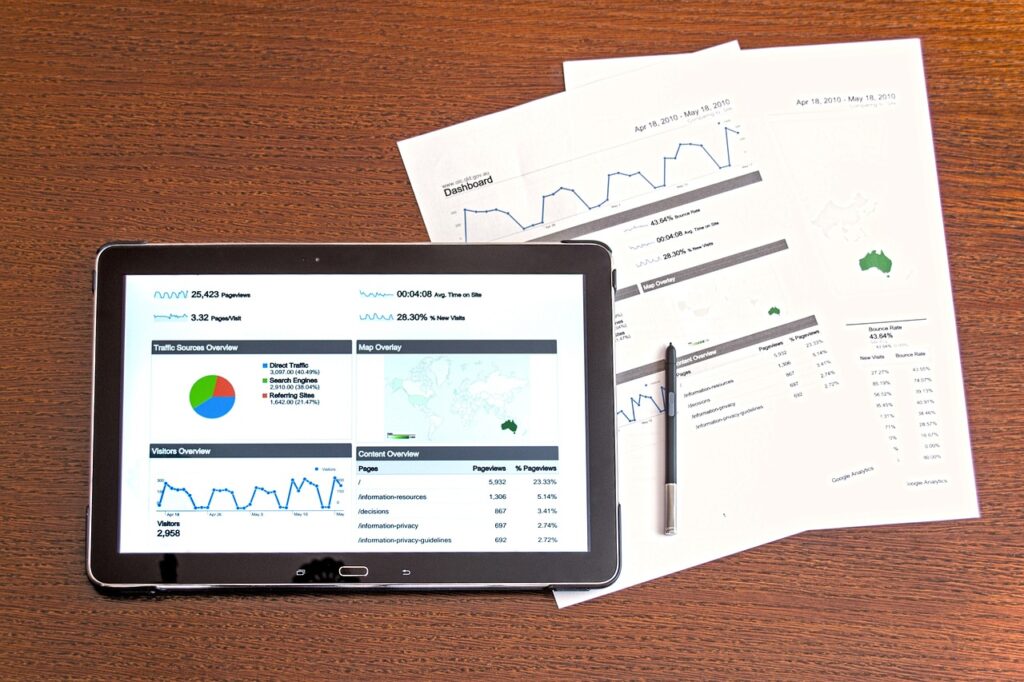
Data analytics offer insights into customer behavior and campaign performance, enabling informed decision-making.
- Customer Insights: To track website traffic, use analytics tools like email open rates and social media engagement to understand your target demographic better.
- Performance tracking: Regularly assess the performance of your marketing efforts to identify strengths and areas for improvement.
- A/B testing: Try Experimenting with different versions of marketing materials to see which performs best, then refine your strategies accordingly.
The role of data in decision-making
Recent studies have found that businesses that use data-driven insights experience a 5-6% increase in productivity, highlighting the potential benefits of incorporating analytics into marketing strategies.
Trends and Predictions for Digital Marketing in Manufacturing up to 2025
Embracing Advanced Technologies
As we approach 2025, manufacturers are predicted to increasingly adopt advanced technologies i.e. Artificial Intelligence (AI) and Machine Learning (ML) etc. in their digital marketing efforts. AI can help automate repetitive tasks, personalize marketing messages, and predict customer behaviors, resulting in more efficient and effective Strategies for marketing. Incorporating emerging technologies can enhance digital marketing efforts and create innovative customer experiences.
- Artificial Intelligence (AI): AI can enhance customer service, such as chatbots, or personalize marketing messages.
- Augmented Reality (AR): Implement AR tools to offer virtual product or facility tours, providing an interactive experience.
- Internet of Things (IoT): Utilise IoT data from manufacturing processes to inform marketing strategies and offer insightful content.
The Rise of Video Content
Video content is gaining tremendous traction across all industries, and manufacturing is no exception. 59% of manufacturers plan to increase their marketing on social media, with LinkedIn being the top platform. Including a video on a landing page can increase conversion rates by over 80%.
By 2025, it’s predicted that video will account for a significant portion of online traffic. Manufacturers can leverage video to demonstrate products, provide virtual tours of factories, and showcase customer testimonials, leading to higher engagement and conversion rates.
Increasing attention to sustainability
Consumers and businesses are increasingly concerned about sustainability. Manufacturers that emphasize their commitment to sustainable practices in their DM strategies are likely to attract more customers. Highlighting eco-friendly processes and sustainable product lines can help a brand stand out and appeal to environmentally conscious customers.
Enhanced Personalization
Personalisation is expected to become increasingly important in manufacturers’ digital marketing strategies. Customized marketing campaigns that address individual customer needs and preferences will be crucial for fostering long-term relationships. Utilizing data analytics to deliver personalized content and offers will enhance customer experience and loyalty.
Conclusion
Digital marketing offers manufacturers significant opportunities to expand their reach and drive growth in 2024. Manufacturers can forge stronger connections with their audience and lead their industry by focusing on SEO, content marketing, social media, email marketing, and data analytics. Embracing emerging technologies will further enhance these efforts, setting the stage for sustained success in the digital age.
Consistency and adaptability are essential as you implement these strategies. Start planning no unlock the full potential of digital marketing for your manufacturing business in 2024. Manufacturers can boost their market presence while fostering long-term customer and partner relationships.


